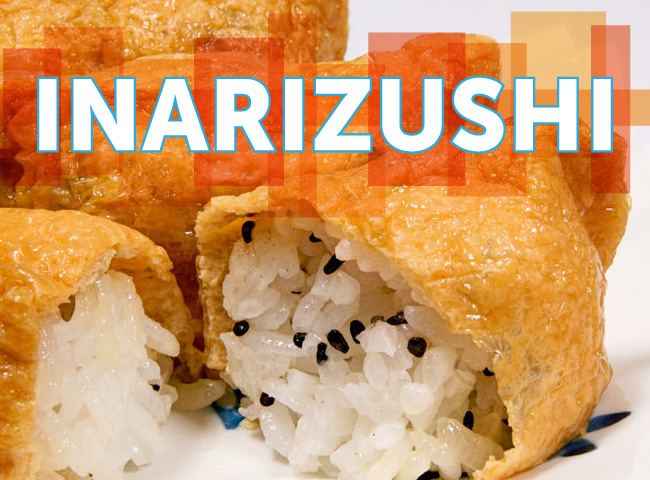
The Essential Sushi Guide - Types, Ingredients, Etiquette
 Sushi is an iconical Japanese food, recognised the world over. It comes in many forms, but is essentially a combination of sushi rice - steamed short-grain rice that have been mixed with rice vinegar - seafood or other ingredients, and sometimes nori seaweed, depending on the variety. In recent years, because of its delicious flavor and healthfulness, sushi has grown in popularity outside of Japan.
While raw seafood is most commonly used ingredient to accompany rice, seafood may also be boiled or roasted, and other ingredients like vegetables, Japanese omelette, wagyu beef, and tofu may be used. This makes sushi accessible for even those averse to the idea of raw fish, or are vegetarian.
Sushi is an iconical Japanese food, recognised the world over. It comes in many forms, but is essentially a combination of sushi rice - steamed short-grain rice that have been mixed with rice vinegar - seafood or other ingredients, and sometimes nori seaweed, depending on the variety. In recent years, because of its delicious flavor and healthfulness, sushi has grown in popularity outside of Japan.
While raw seafood is most commonly used ingredient to accompany rice, seafood may also be boiled or roasted, and other ingredients like vegetables, Japanese omelette, wagyu beef, and tofu may be used. This makes sushi accessible for even those averse to the idea of raw fish, or are vegetarian.
While raw seafood is most commonly used ingredient to accompany rice, seafood may also be boiled or roasted, and other ingredients like vegetables, Japanese omelette, wagyu beef, and tofu may be used. This makes sushi accessible for even those averse to the idea of raw fish, or are vegetarian.
Sushi in Japan
History of Sushi
The origins of sushi can be traced back to “nare-zushi” (nah-reh-zoo-shee), a traditional form of fermented sushi that developed as a method to preserve fish that came to Japan from Southeast Asia, and is still prepared today as a local delicacy in certain regions. Over time, mainstream sushi became fermented for shorter periods of time, before no longer being fermented. The practice of adding vinegar was a way of emulating this original fermented flavor in the rice that originated in the Edo Period, and is still used today.
Read: 22 Things You Didn’t Know About Sushi
Types of Sushi
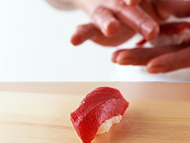 Nigiri Sushi:This is the most common type of sushi. Vinegared rice is squeezed into the classic oval shape by hand, and then a slice of fish or other ingredient, called “neta” (neh-tah), is placed on top. This type of sushi originated in the Tokyo area during the Edo Period, and in those days was sold in street stalls as a popular sort of “fast food”.
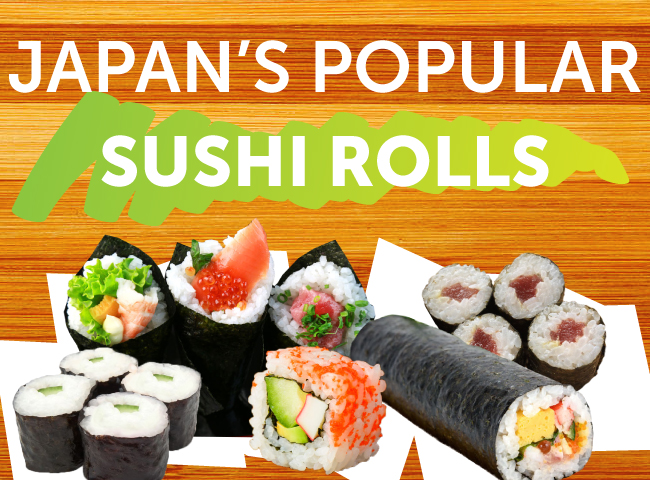
 Roll Sushi (Maki Zushi):Vinegared rice is spread atop a sheet of seaweed, then fish or other ingredients, called “maki-dane” (mah-kee dah-neh), are placed across the rice in a horizontal line before the sushi is rolled up and sliced into bite-sized portions. As the ingredients are visible in each piece, creative chefs can make them quite colorful.
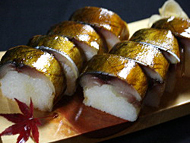 Pressed Sushi (Oshi Zushi):This type of sushi is often eaten in the Kansai region, especially in the Osaka vicinity. Vinegared rice is spread out in a container, the ingredients are set on top, then pressure is applied. After being set aside for some time to shape, the sushi is cut into sections for consumption. This shape may be a square, rectangle or triangle. Pressed sushi keeps quite a bit longer than nigiri sushi, so it is often used in bento lunches and ordered to go.
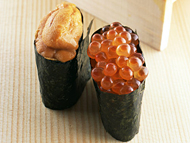 Battleship Roll (Gunkan Maki):The form of this sushi resembles nigiri sushi - ingredients are placed on top of vinegared rice - but has the distinguishing feature of a strip of nori seaweed wrapped around it. This gives it the appearance of a miniature battleship, hence the name.
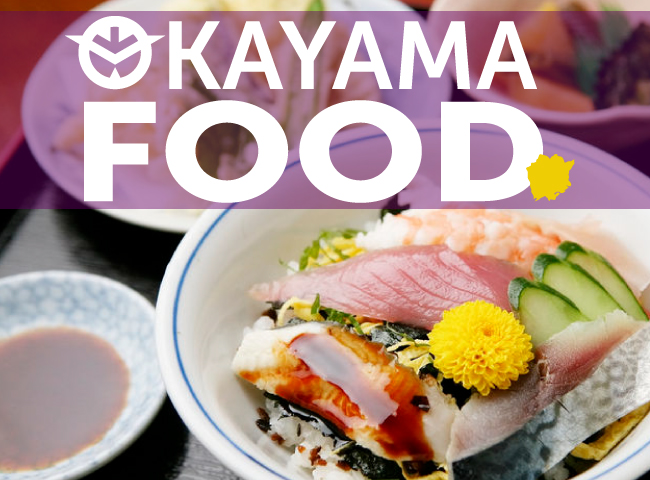
 Scattered Sushi (Chirashi Zushi):Vinegared rice is placed in a bowl, and various ingredients - fresh seafood, vegetables and shredded omelette - are scattered on top.
Read: Types of Sushi: A Complete List From Nigiri to Narezushi
Sushi Condiments
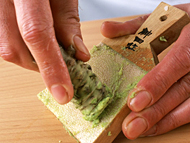 Wasabi:Japanese horseradish, also called “wasabi” (wah-sah-bee), is ground into a hot paste, then added between the rice and neta for a potent bit of spice.
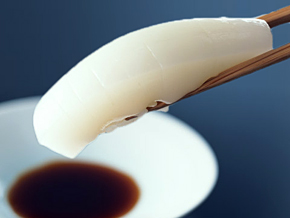 Soy Sauce: Also called “shoyu”, soy sauce is a commonly used condiment for sushi. Only a little should be used, just enough to enhance the umami flavors of the sushi ingredients. Soy sauce may be served in a small dish for dipping, in a squeeze bottle to apply a controlled amount of sauce, or in a small packet or bottle for takeaway sushi.
Pickled Ginger: Pickled ginger, or gari, is made by salting very fine slices of ginger, then pickling them in a solution of rice vinegar and sugar. The result is a sharp, slightly sweet and fragrant condiment eaten to cleanse the palate between bites of sushi, as well as before and after a sushi meal.
Where to Eat Sushi
Sushi is generally considered a high-class delicacy. But prices will vary depending on several factors, such as the ingredients used, the sushi chef’s ability, and the location. However, there are many some sushi shops offering meals at quite reasonable prices. Most sushi shops do not display prices, except for sushi sets of 10 or so pieces. If you're watching your budget, be sure to let the staff know your price queries ahead of time.
If you can’t find a sushi shop that meets your budget, there are many conveyor belt-type sushi restaurants across Japan, called “kaiten-zushi” (kai-ten zoo-shee). These offer a casual sushi dining experience at reasonable prices. At kaiten-zushi, a conveyor belt topped with plates of sushi moves from table to table around the restaurant, and customers can take what they want from it. Prices are determined by the color of each plate, so it’s easy to keep track of meal costs.
Read: How to Eat at Kaiten-Sushi (Conveyor Belt Sushi) Restaurants
Typical Ingredients (Neta) for Nigiri Sushi
The ingredients placed atop vinegared rice in nigiri sushi are called “neta” in Japanese. Usually it is customary to start off with sushi that has the least amount of flavor, and then work your way up to the more rich selections, but it’s perfectly fine to eat the sushi in any order you like.
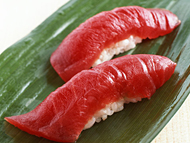 Tuna (Maguro)
 Medium-Fatty Tuna (Chu-Toro)
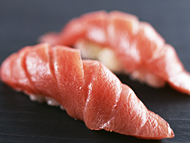 Top-Quality Fatty Tuna (O-Toro)
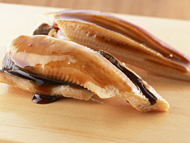 Conger Eel (Anago)
 Sardine (Iwashi)
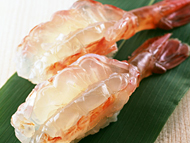 Prawn (Kuruma-ebi)
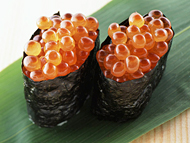 Salmon Roe (Ikura)
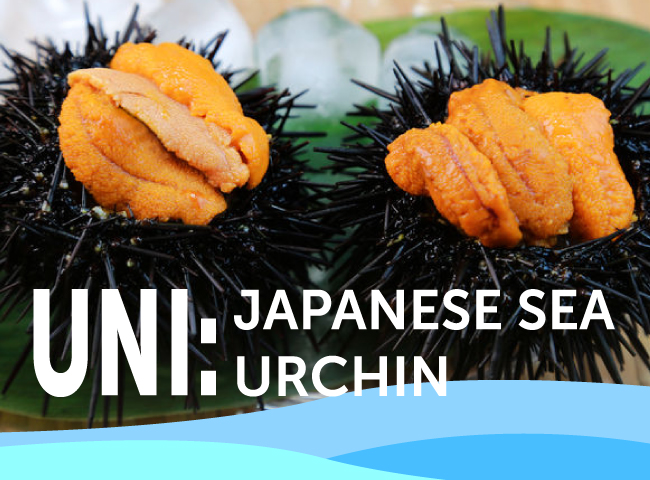
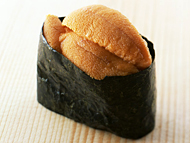 Sea Urchin (Uni)
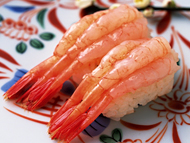 Sweet Shrimp (Ama-ebi)
 Salmon
 Salted Mackerel Marinated with Vinegar (Shimesaba)
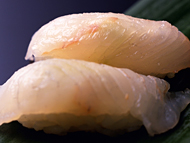 Red Sea Bream (Madai)
Roll Sushi Ingredients
Ingredients in roll sushi are called “maki-dane” in Japanese.
 Tuna Roll
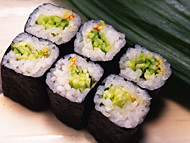 Cucumber Roll (Kappa-maki)
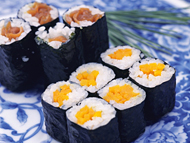 Kanpyo Roll (Kanpyo-maki)
Non-Raw Sushi Options
The following types of sushi ingredients are ideal for those who prefer not to eat raw fish.
 Boiled Shrimp (Yude-ebi)Conger Eel (Anago)Kanpyo Roll (Kanpyo Maki)
Pickled Vegetable Roll (Oshinko-maki)
Sushi Etiquette
Ordering
Most sushi shops have tables to sit at, but if you’re feeling brave a seat at the counter is recommended, where you can watch the sushi chef work his magic before your eyes. A glass case holding all the ingredients is also displayed on the counter, so you can point at the type of sushi you want without speaking a word of Japanese.
When ordering, let the chef know one or two types of topping you want. Nigiri sushi will usually come in two pieces of sushi per plate. If you can’t handle spicy foods, make sure to ask the chef not to put any wasabi paste in the sushi when ordering. It’s probably best that young children not be given wasabi in their sushi.
You can also let the chef know how hungry you are before starting, and then say “omakase” (oh-mah-kah-seh), which means you’ll let the chef decide for you.
How to Eat Sushi
Sushi can be eaten by hand or with chopsticks. Most sushi should be dipped in soy sauce before eating it, except for eel, which is already prepared with sauce. After eating a rich piece of sushi, it’s always refreshing to crunch on some pickled ginger, which is offered as a condiment.
Read: How to Eat Sushi like a Native: 8 Sushi Etiquette Tips
How to Pay
Most sushi shops will have you pay at your seat, but some of the cheaper chain restaurants will have you pay at the register after eating. Some places may not accept credit cards, so it is best to make sure ahead of time. Tips are not necessary in most cases, but some restaurants might add a service charge to the bill.
Be Sure To Try Authentic Sushi in Japan
Although sushi is available all over the world, eating it in its country of origin is a special experience, where you can enjoy a cuisine hundreds of years in development, witness the refined skills of dedicated Japanese sushi chefs, and taste a range of unique Japanese ingredients. And with so many sushi varieties and dining styles, there’s bound to be a sushi experience to suit everyone. Browse Gurunavi’s listings to find a sushi restaurant in Japan.