Fighting Tokyo’s Dog Days with the 5 Best Unagi Eel Restaurants in Town
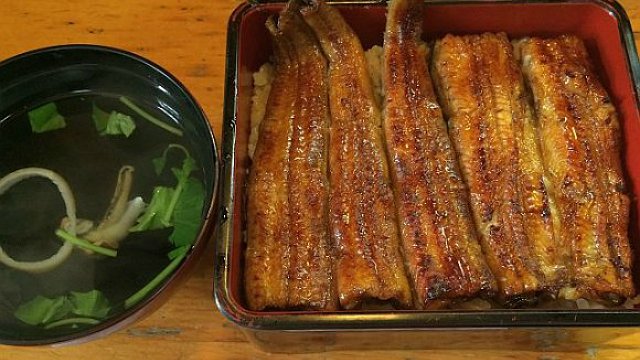
In Japan, every season has one, or sometimes even two, doyo no ushi no hi, which literally means “day of the ox of the seasonal change” – quite a mouthful. On midsummer’s day of the ox, heralding fall, it is a century-old custom to eat unagi, or eel. Interestingly enough, this custom actually started as a smart marketing campaign in the Edo period. Because a restaurant had trouble selling its eel during the often brutally hot days of summer, its owner made use of the superstition that one should eat dishes starting with u on ushi no hi – such as unagi! A sign was put up in front of the restaurant, proclaiming that “today is ushi no hi” and it didn’t take long until people flocked to the shop to savor some delicious eel. This clever advertisement caught on and today, eating eel in summer is a well-established custom. The animal has even become somewhat of a seasonal mascot. So why not try some for yourself to fight off the summer heat?
1.Tasting Traditional Unagi on Ushi no Hi
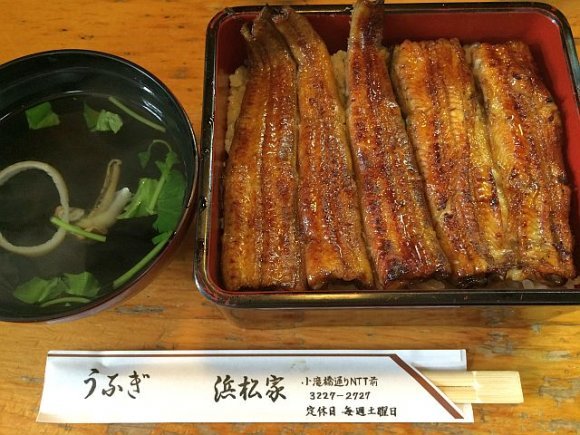
When the temperatures start to rise, many people start craving for delicious eel, either because they associate the season with the dish or because the rich vitamin B in the fish actually does help against the heat. And when such a craving comes along, why not give in to it in one of Tokyo’s most well-established, traditional unagi restaurants?The busy area of Shinjuku is home to many well-established unagi restaurants, some that have been serving their customers for over 50 years. Some places even offer very reasonably priced lunch menus for around 1,200 yen, so there’s really no reason to not stop by.
Shinjuku Unatetsu
1-11-2 Kabuki-cho, Shinjuku-ku, Tokyo
Unagi Hamamatsu Ya
1-20-3 Hyakunincho, Shinjuku, Tokyo Prefecture
Kikukawa
Kikukawa, Shinjuku building 1F, B1, 7-8-3, Nishishinjuku, Shinjuku-ku, Tokyo, 160-0023
https://gurunavi.com/en/e102500/rst/Kabuto
160-0023 Tokyo Nishi-Shinjuku, Shinjuku-ku, 1-2-11
2.Ginza Tokito: Unagi by a Master Chef

The chef of Ginza Tokito has trained a total of fifteen years in the immensely famous restaurant of Nowaida, so you can be sure that the eel served in this restaurant is extremely delicious. The fish, domestically caught, is served in beautiful boxes of lacquerware with hand painted, custom patterns on them. Unaju, grilled eel on rice, isn’t the only menu item, however. Mouthwatering creations such as salt-grilled eel or a specialty called jiyo-konabe, a small pot of soup with a lot of delicious ingredients, can also be savored at Ginza Tokito. Dare yourself to try something out of the ordinary!
Ginza Tokito
104-0061 , Chuo-ku, Tokyo Ginza 7 -chome, 5-5 Hase first building 1F
3.Loved by the Locals
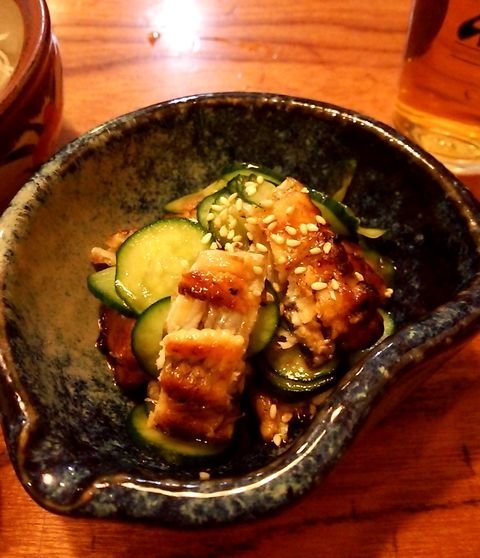
One has to wonder: How can people live next to this restaurant and not crave eel every single day, with the delicious aroma wafting through the neighborhood? "Unagi no Yamagishi" won’t show up in any guidebook, nor will there be hordes of tourists lining up outside – this is one of those few hidden restaurants that hardly anyone knows about but is adored by the locals.
The unagi restaurant can be found in Yanaka, not far away from Nippori Station on the circular Yamanote Line. Beloved by the locals, "Unagi no Yamagishi" is like a little landmark of the area and will surprise with its amazingly reasonable prices for its high-quality eel dishes. Because the menu changes on a regular basis and the shop knows what alcoholic beverages goes best with the dishes of the day, the restaurant has gained many long-time fans and returning customers over the years. So when you are craving for eel during summer but don’t want to empty your wallet, come eat like locals at "Unagi no Yamagishi"!
Unagi no Yamagishi
3-13-9 Yanaka, Taito-ku, Tokyo-to 110-0001
4.Kurikara: Real Eel Creativity
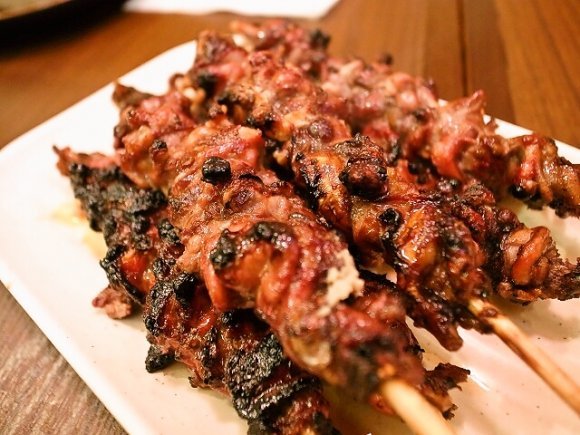
The excessive eel menu, centered on grilled eel on skewers, is the pride of a restaurant called Kurikara. Whether you want to sit at the counter or at a table, Kurikara accommodates to every sort of situation. Apart from all the skewered eel delicacies, the menu features dishes such as eel bagna càuda, eel liver sashimi, or belly fat of an eel stir-fried in lemon vinegar. These sort of creative eel creations cannot be tried anywhere else!
Kurikara
1-13-5 Ochiai, Shinjuku-ku, Tokyo-to 161-0032
5.A Hidden Gem in Tsukiji
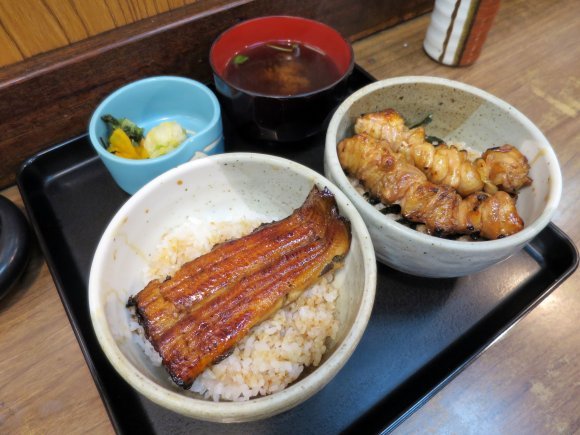
The Tsukiji Fish Market undoubtedly is one of Tokyo’s most famous sightseeing spots, having attracted international attention. When people hear the name of the market, most immediately think of amazingly delicious sushi – the place has much more to offer, however.
Fukusen, located at the market, is a restaurant specializing in grilled eel and poultry. Since the fish market opens early in the morning, the restaurants in the area can get insanely crowded during lunchtime. However, the majority of tourists and sightseers seek to eat at a sushi restaurant, so Fukusen is usually less busy than a lot of other shops.
Fukusen’s classic menu features half and half sets, including unagi on rice that is then doused with tea, grilled chicken on rice, eel on rice, as well as a mixed eel bowl. Choose two dishes to make a filling, delicious set! The prices are also more than reasonable.Why not visit eel restaurants and specialty shops off the beaten path to fully indulge in the ushi no hi unagi experience?
Fukusen
Building No. 6, 5-2-1 Tsukiji, Chuo-ku, Tokyo-to 104-0045